

The Hidden Cost of Collaboration: Reclaiming IT Resources

Every enterprise wants seamless collaboration. But what happens when the very tools designed to bring teams together end up causing friction? When meeting space technology fails, it does more than just frustrate employees who are trying to work. It actively consumes valuable IT resources, creating a hidden operational drain across the entire organization.
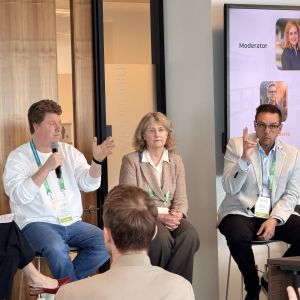
In a recent episode of Tech in 2, Doug Brown, Enterprise Architect on the innovation team at FORTÉ, our GPA team in the United States, broke down this exact challenge. Drawing on data from ‘The State of Modern Collaboration’ research study, which surveyed over 500 IT decision makers, Doug highlights why organizations must rethink how they support their audiovisual environments.
The 52 Hour Problem
When technology solutions do not work as intended, the impact is immediately felt by the IT department. Troubleshooting a broken display or fixing a connectivity issue right as a high stakes meeting is supposed to start is highly stressful and incredibly inefficient.
According to the FORTÉ research, this reactive cycle is costing enterprises dearly. IT decision makers estimate they could reclaim up to 52 hours per month if meeting room technology issues were completely eliminated within their enterprise.
That is more than an entire workweek lost every single month just to keeping the lights on in conference rooms. Every minute spent troubleshooting these spaces is a preventable cost that keeps highly skilled IT staff from focusing on critical, high value business initiatives.
Reclaiming Time with Proactive Managed Services
To get that time back, organizations must change their approach to lifecycle management. Relying on end users to report broken equipment guarantees that the first notification will be an urgent, last minute support ticket.
Instead, enterprises must shift from reactive scrambling to proactive management. By integrating robust support services and advanced monitoring systems, IT teams can maintain meeting room health quietly in the background. These platforms scan the network to identify potential issues, such as offline peripherals or firmware errors, long before an employee even walks into the room.
Gaining this early visibility is the key to reducing emergency support requests. When your systems detect a connectivity failure ahead of time, a technician can resolve it proactively without causing disruptions to the daily corporate workflow.
Designing for Operational Efficiency
Solving the hidden cost of collaboration goes beyond simply monitoring existing rooms. It requires a fundamental shift in how global AV projects are engineered from the very beginning.
When undertaking design standards development, the primary goal is rarely just creating a visually appealing space. The objective must be to create the absolute best user experience while simultaneously reducing the ongoing IT workload required to support those solutions. Complex, heavily customized, and fragmented systems are notoriously difficult to maintain at scale.
By implementing a standardized, highly considered workplace strategy, organizations ensure that every meeting room operates predictably. Standardized technology means fewer variables for IT to manage, faster deployment times, and a significantly lower volume of support tickets.
If your organization is ready to stop wasting time on preventable technology issues and start empowering your IT team, our global integration experts are ready to help. Visit our contact us page today to discuss how we can optimize your collaboration spaces.