


Christopher Isak



Hybrid work can mean anything and everything by now, depending on who you ask. The transition to a permanent hybrid work model is complete. For global enterprises, “hybrid work” is now just “work.” Yet, a critical challenge remains that technology alone has struggled to solve: meeting equity. If your remote workers are treated like second-class citizens in meetings, with a poor view of the room and no voice in the conversation, your collaboration strategy is failing. The solution is not simply better cameras or microphones; it is about adding a new layer of intelligence to the meeting room itself.

Is value only what can be seen? For years, technology has often been the adversary of intentional interior design. Conversations about AV systems typically happened long after architectural plans were finalized. For architects and designers, technology was the clunky black box, the source of unwanted heat, and the obtrusive element they were forced to accommodate rather than integrate. In the most exclusive corporate environments, from the C-suite office to the client-facing boardroom, the primary goal was to conceal the hardware. Now, a new philosophy has emerged, driven by groundbreaking display technology: what if the display could simply disappear?
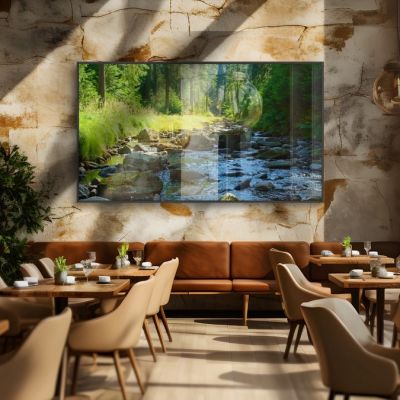
Enrich the all-hands events! The era of the static lobby poster and the uninspired town hall is over. Or is it? Today, the world’s leading corporations are becoming media companies, if they want or not, and their headquarters are transforming into broadcast studios. The modern enterprise no longer just communicates; it produces. Your CEO needs to address a global workforce with the fidelity of a nightly news anchor, and your physical spaces must serve as the dynamic, cinematic set for that message. The brand is no longer just what you say, but how you show it.

Biamp is not only a trusted name in professional AV; as a GPA “Embrace” partner, they’re deeply woven into the fabric of global collaboration. Walking through the Plano office, you quickly sense this isn’t just a local branch, it’s a nerve center where ideas and partnerships turn into real-world solutions. Under the guidance of CEO Rashid Skaf, the Plano team is involved in everything from networked audio DSPs, such as Tesira, to advanced conferencing systems, paging solutions, and video distribution platforms. Each product isn’t just built to work; it’s built to work anywhere, making it a natural fit for enterprises with offices worldwide.
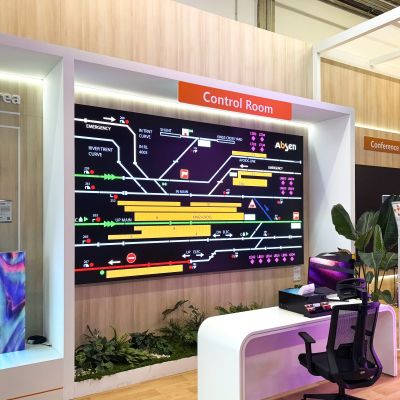
Explore Absen’s global showroom map and book a reservation with GPA. Experience innovative LED solutions and get expert global deployment and support.

In a recent discussion at InfoComm India, GPA Managing Director James Shanks and journalist Reece Webb outlined the exact strategies that empower global enterprises to transform fragmented AV deployment into a seamless, scalable experience. Here’s how you can flip the script on global AV integration by applying four practical lessons from their conversation.
Cisco, a global leader in secure and innovative collaboration technology, and GPA, the world’s largest systems integrator for enterprise AV and UC solutions, have established a strategic partnership as part of GPA’s global partner program. This collaboration brings together Cisco’s advanced collaboration platforms and AI-driven security with GPA’s global standardization, deployment, and lifecycle support model. Multinational organizations now have a unified pathway to deploy, manage, and support intelligent and secure workplace technology consistently at scale, accelerating transformation and enabling resilient, future-ready workspaces worldwide.

Read on if you’re looking for solutions that align with your enterprise’s sustainability goals while boosting efficiency. This blog explores the rising demand for sustainable AV solutions, Sony’s innovative approach under its Road to Zero initiative, and how AVEX’s BRIX zero program is changing AV sustainability.
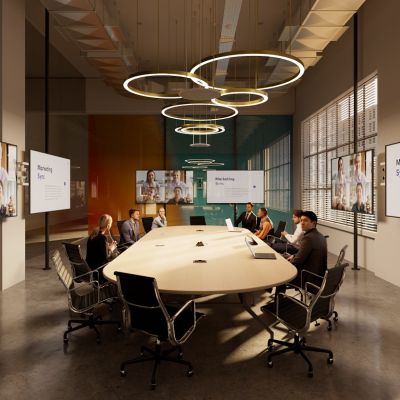
Why are global projects so complicated? It’s tough managing projects like that, especially if you have no local counterparts or can’t easily visit the sites all around the globe. Managing global AV and collaboration technology projects shouldn’t feel overwhelming. However, for many enterprises facing the challenge of integrating tech across multiple locations and countries, the process often feels more like an uphill climb than a streamlined solution. Diverse regional needs, fluctuating costs, and the frustration of managing multiple vendors can weigh heavily on your shoulders.

Imagine standing in the middle of a bustling conference room just moments before a critical global meeting. The clock is ticking, and attendees are filtering in both in person and through video calls from offices worldwide. You’re the IT manager, and your job is to make sure that every word spoken in that room is crystal clear, whether for the team seated in London or executives dialing in from Tokyo or New York.

Hybrid work has redefined how enterprises operate, offering teams unprecedented flexibility and opportunities to collaborate across different regions. However, this shift brings unique challenges for global organizations, particularly in creating an inclusive environment where every team member feels equally engaged and empowered. Ensuring seamless collaboration requires addressing key obstacles, especially for enterprises managing diverse office setups across the globe.
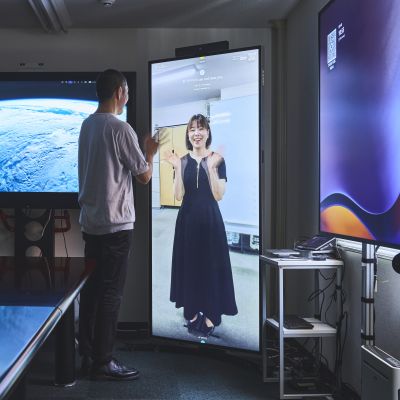
Recently, we had the opportunity to explore GPA Japan’s state-of-the-art AV demo rooms, showcasing a variety of advanced tools and systems. Beyond the impressive technology, it…
 ES
ES  EN
EN  DE
DE  FR
FR  PT
PT  ZH
ZH